
2026 District Attorney Primary Questionnaire Responses
Introduction
Structural racism and economic violence are foundational and mutually reinforcing outside- and especially within the criminal legal system. Racial capitalism– or the idea that capitalism depends on racialized systems of slavery, violence, genocide, and imperialism- also undergirds the prison-industrial complex in which government and industry collaborate to privatize prisons, overpolice, oversurveil, overimprison, and force unpaid labor of (particularly poor, working class, and people of color) to maximize profits. The sheer dehumanization associated with the prison-industrial complex has led many socialists to consider the role of racial capitalism in the carceral state, and thus the pieces that sustain it, including the social and economic causes of “crime” and punishment. One piece of that apparatus is the District Attorney, the primary arbiter of “crime” within the criminal-legal system.
The District Attorney (DA) is the top prosecutor for Buncombe County, the 40th Prosecutorial District. In general, DAs prosecute criminal cases, collaborate with law enforcement, and support victims of crime. DAs also can use their discretion to advocate for alternatives to incarceration/policies that address root causes of crime like substance abuse, poverty, and mental health concerns. DAs in North Carolina have considerable discretion around which cases to prosecute as per the North Carolina Constitution. Most states confer this broad prosecutorial discretion onto elected local prosecutors. For example, DAs can outright dismiss cases or “drop the charges.” Still, some states “check” the power of prosecutors and intervene, impeach/remove them for declining to prosecute certain crimes. Broadly, DAs in their charging and plea bargaining capacities wield some of the strongest power in the criminal-legal apparatus to reduce mass incarceration and mitigate racial disparities in all stages of a case.
There are a variety of socialist perspectives on the role of District Attorney. Some socialists believe in a reform agenda where DAs serve a pivotal role in transforming the criminal-legal system from within by refusing to prosecute cases that perpetuate mass incarceration. Some socialists believe DAs merely reinforce systemic oppression (racist laws, overpolicing, and economic injustice) and cannot reform a system that inherently seeks to protect private property, and disenfranchise the poor, working class, and communities of color.
In recent years, there have been a number of “progressive prosecutor” candidates and self-described socialists running for DA seeking to minimize the harm of the criminal-legal system through eliminating cash bail, refusing to prosecute “low-level” crimes (i.e. marjuana possession), and minimizing cooperation with immigration enforcement, among other efforts. For example, self-described “progressive prosecutor” Larry Krasner in Philadelphia, Austin-DSA endorsed Jose Garza in Texas, and DSA member Tiffany Caban in New York are all recent examples of DA candidates whose platforms have included bail reform, police accountability, and reducing mass incarceration as core tenets. Still, progressive prosecutors have had mixed outcomes in implementing their agendas due to various obstacles (political pressure, lack of prosecutorial experience, and race and gender considerations) despite their visions to combat some of the insidious structures of the carceral system.
For some socialists, the DAs office cannot be reformed enough in a material way to bring true economic and social reform. Many of these socialists would identify as abolitionists and believe that completely ridding society of the carceral state, and in effect, eliminating the role of the DA, is the only way to dismantle the capitalist state. The Marxist and feminist political activist, abolitionist, and scholar Angela Davis wrote in her 2003 book, Are Prisons Obsolete, “The prison has become a black hole into which the detritus of contemporary capitalism is deposited. Mass imprisonment generates profits as it devours social wealth, and thus it tends to reproduce the very conditions that lead people to prison.” She continues, “An abolitionist approach …would require us to imagine a constellation of alternative strategies and institutions, with the ultimate aim of removing the prison from the social and ideological landscapes of our society.” In essence, Davis claims that without building a world in which material needs are met, and where people are not being commodified for profit (i.e. 13th Amendment allowing unpaid prison labor), there really is not a justice system, and thus the carceral system as we know it must be totally dismantled.
On the continuum from reform to abolition, there are a range of socialist perspectives on the role of the carceral system at large, and by parallel, the role of the DA. We hope this provides a broad overview on what a DA does, various socialist perspectives on the DA, and examples of socialist DAs in action, so you can make an informed decision.
Questions
- What do you believe to be the root causes of crime in society? How have you applied these beliefs in your personal and professional life? How will you apply them as District Attorney?
- What type(s) of crimes will you prioritize for prosecution as District Attorney? Why do you see these as key priorities?
- Recent years have seen public debate around pre-trial practices in North Carolina and Buncombe County. What are your greatest concerns regarding our community’s pre-trial program? How will you address them as District Attorney?
- Overcrowding in local jails and state prisons has been a persistent issue in our justice system. What would you do to address overcrowding in local jails and state prisons as District Attorney? What, if any, alternatives to jail time would you pursue or implement, and how would you do so?
- Organizations like the Innocence Project have shown that there have been misapplications of justice in communities across the country. How much of a priority do you see addressing this as? What would you do as District Attorney to address past and future cases for judicial reevaluation?
- Over the past year, we’ve seen a rise in conflicts between federal, state, and local authority. What do you see as the role of the District Attorney in navigating this conflict? How would you approach this responsibility?
DA Forum
A factual summary of the DA forum is available from the Mountain Express here District attorney candidates discuss priorities for Buncombe County – Mountain Xpress. This is an excellent record of the statements at the forum. The recording of the livestream is here: https://youtu.be/bCV78hW2n6Y. The audio improves after a short while, the video does not.
Responses to the Questionnaire
These responses are unedited and presented in full.
Martin Moore
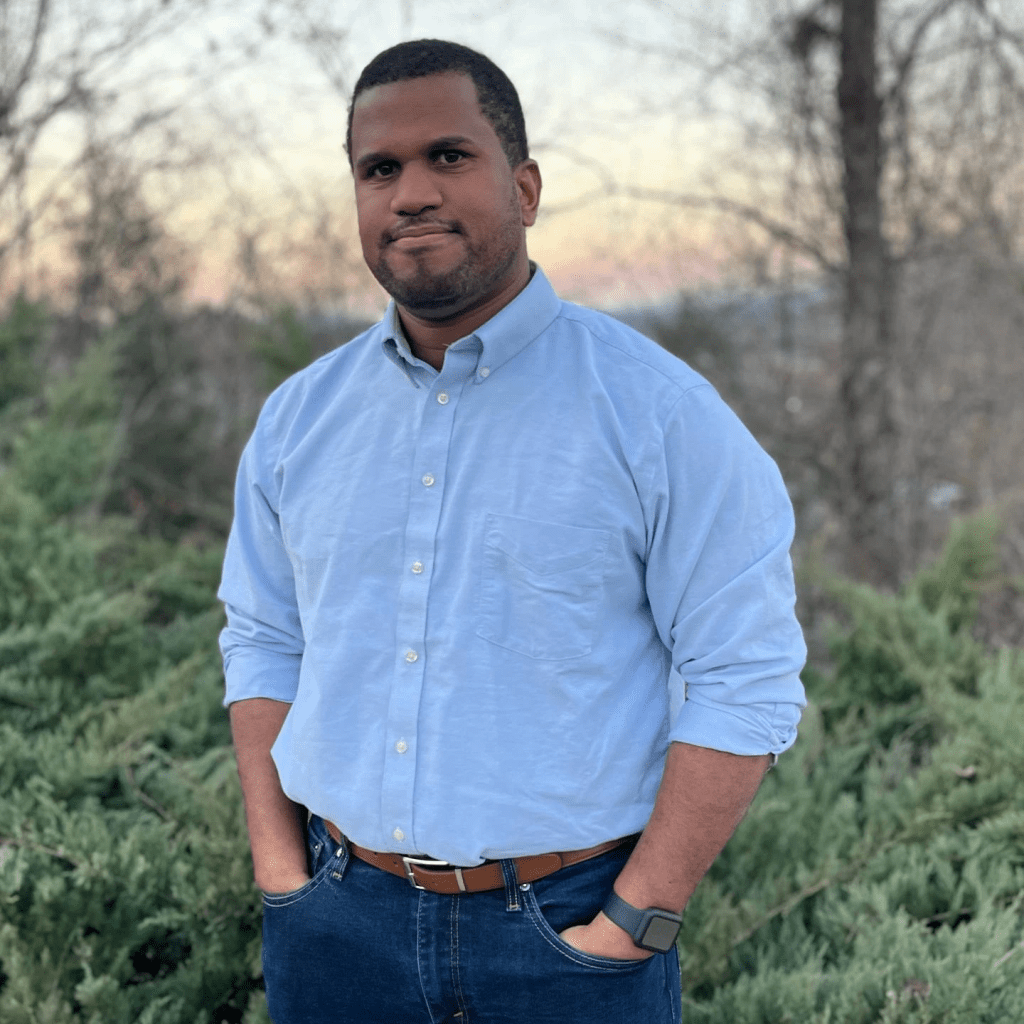
- Root Causes: Two key root causes of crime are affordability and disparate starting places in life. In practice, addressing poverty and lack of access to quality education are two of the most important actions we can take as a community to reduce and prevent crime.
Starting my career as a public defender gave me first-hand experience in recognizing and supporting clients in addressing their basic needs; whether the crime is larceny of food/health-related goods or second-degree trespass, the underlying problem is often a reflection of an affordability crisis. Both the data and my experience as a trial attorney support the conclusion that we see crime rates reduce when there is access to affordable housing, living wages, and well-funded schools.
In private practice and supporting survivors, I also saw that some of the biggest impediments to true justice were suboptimal outcomes as a result of economic disparity. Specifically, those survivors who were financially dependent upon an abusive partner often lost hope and, in some cases, the opportunity to be heard during the trials they spent months building up courage to bring to court.
As District Attorney, I would bring a uniquely informed perspective as both an attorney who has advocated for the underserved and a Commissioner who has led initiatives to fund our education system, fight for affordable housing, and behavioral health supports that address the underlying needs and promote crime prevention rather than resort to punishment as the gut reaction.
Addressing these root causes and supporting our community in fulfilling their basic human needs and right to education goes the furthest in making inroads to addressing public safety.
- Prioritization: My focus will be on prosecuting crimes that impact our community the most: gun crimes and domestic violence. Our court system is underfunded and does not have the resources to address every case the way we ideally could. It is critical that we prioritize crimes that require swift action and work diligently to get the verdicts and outcomes right the first time.
- Pre-trial practices: As a County Commissioner and attorney, I have been in the center of the delicate balance between community concern, public safety, and due process for those who, by law, are considered innocent until proven guilty. Ultimately, it is up to every judge to determine the risk that any given defendant may pose to the community. The District Attorney’s role is to inform the court of the facts and information they have obtained from law enforcement, databases, and prosecuting witnesses. As stated above, my priority would be to focus on making informed recommendations and sharing pertinent information that allows our judges to make an informed decision about what defendants present a danger to our community versus what neighbors present no or minimal risk. Iryna’s Law has greatly limited the District Attorney’s role in the release determination; however, operating with a lens of promoting justice outcomes must take precedence. We must remember, safety considered, each defendant is presumed innocent until proven guilty, and every actor in our system must keep that in mind while following the law.
As District Attorney, I would work with our local judges, defense bar, and County staff to identify how we prioritize pre-trial release programs and supervision for non-violent offenders. I believe that we should advocate for additional diversion programs, electronic monitors, and process cases as fairly and efficiently as possible so that no person waits longer than necessary while they await their day in court.
- Overcrowding in jail: As an attorney and County Commissioner, I have appreciated Sheriff Miller’s commitment to safely reducing the jail population and rightfully expecting that our criminal justice system will handle cases swiftly and fairly. We cannot use our jail as a long-term holding facility. As District Attorney, I would commit to collaborating with our Buncombe County Sheriff’s Office to assess and prioritize those cases that are 1.) currently pre-trial/pre-adjudication, 2.) cases involving inmates that have been held for over 120 days, and 3.) high priority to our local law enforcement to resolve in a just and swift manner.
The District Attorney’s strongest power is discretion: discretion over what cases take priority and what cases end up on the court calendar first versus last. As a county commissioner, I understand what it means to supervise, set priorities, and manage a significant budget. We can invest in our schools, or we can invest in a new jail. I prefer the former.
I have invested in and will continue to support treatment courts, diversion programs, juvenile crime prevention initiatives, and re-entry services.
- Misapplications of justice: For two years in law school, I served as a pro bono volunteer for The Innocence Project, including a year as Case Manager. In that role, I saw firsthand cases from across our state that highlighted how justice and outcomes changed based on geography, partisan District Attorneys, and access to experienced defense counsel. As a former public defender, appellate attorney, and Commissioner, I know both the human and financial cost of what happens when our system gets it wrong. Lives are changed forever, often over avoidable procedural issues.
As District Attorney, my priority would be on supervising the office’s attorneys through the lens of someone who has been on both sides and worked on appellate cases before the Court of Appeals and Supreme Court, assuring that my team has the training and legal support staff needed to effectively try cases, and a clear multi-attorney process for reviewing convictions with credible allegations of innocence inquiry.
As District Attorney, justice means recognizing where mistakes were made, either on the prosecutor or defense side, and getting the right outcome. I believe I am the most qualified candidate to do this work as the only attorney with state, federal, and appellate court experience.
- Navigating federal, state, local conflict: As a County Commissioner, this is not hypothetical for me. For the past year, I have seen firsthand the challenges of fighting for desperately needed Helene/FEMA relief and upholding our values and programs while resisting the “easy answer” of relenting to bullying from partisan threats in the hopes of possibly receiving aid.
The truth is, grandiose statements that blindly invite conflict for cheap political points are irresponsible, but we still have a duty to use our voices for our neighbors. As an attorney and County Commissioner, I’ve used my voice and position to inform people, via person-to-person counseling, social media, and e-mail campaigns. When Immigration and Customs Enforcement operations were as close as Charlotte, it became critical for me that we play an active role in advising neighbors of their rights and how we implement policies that will help and avoid harm. That is why I recorded a series of know you rights videos and messaging for our most vulnerable neighbors. It is vital that our elected officials speak out and inform our community whether we are facing a natural disaster like Helene, or a man-made crisis like ICE operating with impunity.
For me, this meant meeting with Sheriff Miller to understand what he needs if we faced serious crises, meeting with domestic violence support services leaders to assure we aren’t abandoning undocumented survivors, and staying in consistent communication with CIMA and other groups sharing with us what some of our Latinx neighbors are truly asking for in this time of fear. As a District Attorney and leader, I am committed to clear communication and being candid with neighbors about meaningful options for keeping our community safe. Sometimes this will come in the form of direct policy changes, sometimes it will mean building trust on a personal level and being prepared to act when the federal government throws the unknown at us. I am the type of attorney and leader who is accessible and accountable to people, because they know who I am, know why I am doing the work, and trust that I am approachable and professional should they need assistance from me.
Katie Kurdys
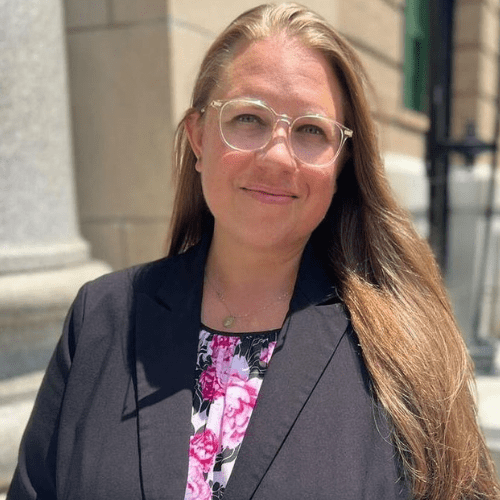
- Root Causes: There are many causes of crime in our society, but in my view, central among them is trauma. The impact of adverse childhood experiences is well-established, and those experiences range from poverty and not having basic needs met, to the loss of one or both parents, to witnessing and/or experiencing violence in adolescence. Traumatic experiences are those that combine fear and an actual or perceived lack of control. When people experience complex trauma (that is, multiple traumatic incidents and/or conditions) in their childhoods, it impacts development, social adjustment, the ability to trust, the ability to be forward thinking and consider consequences, etc. What’s more is that because the symptoms of PTSD are so similar to ADHD, many children are mis-diagnosed with ADHD when in fact, it is PTSD as a result of their experiences.
Through this lens, we can understand how a person’s experiences in their developmental years and on into their adolescence can and usually will have dramatic impacts on their lives as adults. Generational trauma is both a cause and consequence of criminality, and not surprisingly, most crime victims, especially those of violent crimes, themselves experienced complex trauma in their childhoods.
I experienced a number of adverse childhood experiences myself, and it wasn’t until I became a domestic violence prosecutor in Durham in my early thirties and received training on trauma that I began to understand trauma’s impact in my own life, as well as those that I come into contact with in the criminal justice system. As my career has advanced to the point that now I handle the highest level of violent crime that exists, I not only utilize trauma-informed techniques to provide care, support and dignity to victims of crime and their families, but also to prevent recidivism. I view cases holistically and consider the defendant’s history and wherever possible, craft outcomes that seek to address the underlying causes of the defendant’s criminality, be it through comprehensive clinical assessments, education, treatment courts and/or substance abuse treatments.
If elected District Attorney, I will continue to work collaboratively in the community to prevent crime by working together to address those conditions and prevent people from becoming justice-involved in the first place. As to individuals who are charged with crime, I will continue to seek dispositions that address trauma and prevent recidivism wherever possible.
- Prioritization: As a career prosecutor with ten years of experience, if elected I will continue to prioritize the most serious of crimes, including violent crimes, human trafficking, sexual violence and domestic violence. I have spent the majority of my career focused on domestic violence and violent crimes, particularly gun crimes. I have extensive specialized training in trauma, forensic science, and evidence-based prosecution (a method of presenting evidence where possible without having the testimony of the victim). I have prosecuted some of the most complex violent cases in Buncombe County’s history, including 2 domestic violence homicides.I previously served on the Buncombe County Domestic Violence Fatality Review Team, where community partners review previous DV homicides in an effort to prevent future homicides. I also teach trauma-informed interviewing to attorneys and law enforcement alike.
I am particularly focused on preventing juvenile gun violence. We have experienced a dramatic increase in gun crimes being perpetrated by juveniles in our community over the past three years. As a Senior Assistant District Attorney over violent crimes and gun crimes, I have had multiple serious violent cases, including two homicides, perpetrated by individuals between 16 and 18 years old. Because of that experience, I have sought out collaborative groups in the community dedicated to supporting our youth and preventing gun violence. I presently serve on the School Justice Coalition, the Juvenile Crime Prevention Council, and the Multi-Sector Public Health Response to Juvenile Gun Violence Group. These teams pull together court partners, representatives from both the City and the County School Systems, law enforcement, mental health providers, community advocacy organizations and others, all dedicated towards supporting our youth towards a bright future absent violence. I’m dedicated to not only reducing gun violence, but continuing to collaborate with the community to reduce and prevent all types of crime, including domestic violence, sexual violence, violence against children, human trafficking, and elder abuse.
Trauma-informed prosecution is a pillar of my campaign and at the core of my prosecutorial philosophy, and I truly believe it has the power to transform the criminal justice system. While it is true that in some instances that the crime committed is so heinous that incarceration is the only option, for all others, there is an opportunity to craft dispositions that simultaneously honor and get justice for victims, as well as provide the best possible opportunity for the defendant to change their path and be productive members of our community.
- Pre-trial practices: As I presently work as a Senior Assistant District Attorney in the Buncombe DA’s Office, I am privy to information that is not suitable for disclosure, but informs my opinion. As such, I will answer to say how I believe a Pre-Trial Release Program would ideally operate, rather than address the present condition of Pre-Trial, as it is presently in flux and in litigation.
At the onset, I support pre-trial supervision as a wonderful and viable option for non-violent offenders. Ideally, I believe that pre-trial supervision can provide structure and connect defendants with services, which may include accessing stable housing, mental health and/or substance abuse treatment, and employment opportunities. This would both hopefully prevent the individual from committing more crimes while on pre-trial release, and put them in a better position to obtain a favorable disposition to their case once they go to court. A critical component of pre-trial supervision, however, is accountability. If pre-trial supervisors were sworn law enforcement, in the same manner as probation/parole officers, that would give them the ability to file violations and obtain orders for arrest, and arrest individuals who were in violation of the terms of their bond and pre-trial release.
As Pretrial Services is funded and operated by Buncombe County, and by statute, the procedures of which are determined with consultation with District and Superior Court judges, the District Attorney does not have any authority to determine the bounds nor procedures of Pretrial Services. Whether an individual is granted pretrial release is likewise not up to the District Attorney’s Office–only judges can set bonds and the conditions of release (other than in cases where Magistrates set bonds). What I would do, if elected District Attorney, is make sure that I am present at the table when those decisions are being made. I would ensure that Assistant District Attorney’s argue for appropriate bond conditions in every case, whether it is a non-violent low level drug case where they can argue for treatment as a condition of the defendant’s pretrial release, or a First Degree Murder, to argue that no bond be set and the defendant be held in custody for the safety of the community.
- Overcrowding in jail: Iryna’s Law has resulted in a dramatic and rapid increase of our local jail population. This is because the law requires that first, anyone with three or more class one misdemeanors or higher in the last ten years must have a secure bond. This means someone with three misdemeanor larcenies, for example, over the past ten years, must have a secure bond. It also requires a secure bond for all violent crimes, which as defined by the statute, includes drug trafficking.
As prosecutors, our job is not to write the law. Our job is to enforce the law and to follow the law. If elected District Attorney, I would immediately restructure the office to dedicate 2 ADA’s full time to concentrating on misdemeanors and low-level felonies where the defendant is being held in custody on secure bonds that they simply cannot make. Efficient and effective case disposition is critical and will continue to be critical to ensuring that individuals do not sit in custody any longer than is necessary prior to resolving their case. Working in tandem with that goal, I will likewise work with law enforcement agencies to ensure that their officers and detectives turn over evidence within 30 days to promote timely resolution of these cases.
As it relates to prison populations, the fact remains that some classes of crimes, and in some cases, depending on the defendant’s criminal history, North Carolina Structured Sentencing requires active time. That is not discretionary neither by the District Attorney nor the Judge. What is discretionary by prosecutors is pursuing enhanced sentencing statuses, such as Habitual Felon, Armed Habitual Felon, and Violent Habitual Felon. Each of these statuses apply to different criminal histories, and increase the possible sentences, sometimes dramatically such as in the case of Violent Habitual Felon which results in a sentence of life without parole if convicted. It has always been my philosophy that as a matter of transparency and equity, I indict cases based solely on the facts and the law. Once a case is indicted, we negotiate with defense counsel to find a reasonable resolution of a case. Indictment, for example, on Assault with a Deadly Weapon with Intent to Kill Inflicting Serious Injury (a Class C felony requiring active time regardless of the defendant’s prior record) and a Violent Habitual Felon Status, does not preclude the prosecutor from pleading the case to a lesser included Class E felony of Assault with a Deadly Weapon Inflicting Serious Injury and not proceeding on the status enhancement.
Using discretion on when to proceed on status enhancements is the strongest manner in which District Attorneys are able to impact the prison population, besides using trauma-informed prosecution methods as previously discussed in my prior answers. If elected District Attorney, I will continue to proceed on those enhancements sparingly, only reserving those for the defendants repeatedly inflicting harm on our community, despite multiple opportunities to change their paths.
- Misapplications of justice: In the first instance, no ethical prosecutor wants to convict an innocent person. Part of prosecutorial discretion means that if I receive a case and upon my review, I do not believe either that the person is innocent, or if there is not evidence to support every element of a crime, or if prosecution is simply not in the interests of justice, the case does not make it past me. That is a result of ten years of experience–while newer prosecutors might hesitate to dismiss a bad case, I will not. Indeed, I previously resigned from my role as the Vehicular Homicide Prosecutor in the Third Judicial District of Tennessee because I was told to prosecute a case that went against my conscience. No other candidate can say they have been in that position, much less that they have proven they will have the courage to do the right thing, even when facing immense pressure.
One of my present roles is to oversee the Buncombe County DA’s Office Conviction Integrity Unit. That means I review all Superior Court cases where defendants are seeking to overturn their convictions, be it because they are alleging ineffective assistance of counsel, newly discovered evidence, or other constitutional violations. I have reviewed cases more than 20 years old in this capacity, and where appropriate, I am able to consent on behalf of the State to either re-open the case or resentence the case as is appropriate, depending on the case and what is being challenged. It also means that where, in my review of the case, I determine there has been no error, I oftentimes am in the position to defend the work of the defendant’s defense attorney.
This is a very complicated area of law, and Buncombe County will benefit from electing the only candidate with this level of experience. It may be surprising (or not) for readers to know that my younger sister, Clare, an Asheville gal, graduate from Asheville High School and fellow lawyer, is a staff attorney for the North Carolina Innocence Inquiry Commission.
- Navigating federal, state, local conflict: As a matter of law, there is not a conflict over the legal authority of those entities. That we have an administration that oversteps the sovereignty of states and localities, it is critical that these actions are consistently and fervently challenged in court, which is the role of the Attorney General of North Carolina. The role of the District Attorney is to review cases as they occur. In my present role, I work with the U.S. Attorney’s Office for the Western District of North Carolina, as well as the FBI, DEA, ATF and US Marshal’s Service on a nearly daily basis in identifying the most high risk elements in our community for committing violent crime, in apprehending violent offenders, and in working collaboratively to determine which cases are appropriate for federal adoption for prosecution, and which ones are not.
In the event an incident were to occur as in the case of Renee Good and Alex Pretti, I would ensure that the cases were properly investigated and prosecute those cases, if the evidence and law support criminal charges. This is as it is in any case, and I would treat those cases no differently, irrespective of the fact that the shooters were federal ICE agents. I have participated in numerous use of force reviews in my career, and have not hesitated to refer cases to be investigated by state-level investigative agencies where I believed a crime had been committed based on the limited evidence available to me at the onset. That is the role of the District Attorney in my view–to be independent and above the fray, beholden only to the law and the facts for the safety of the community.
Courtney Booth
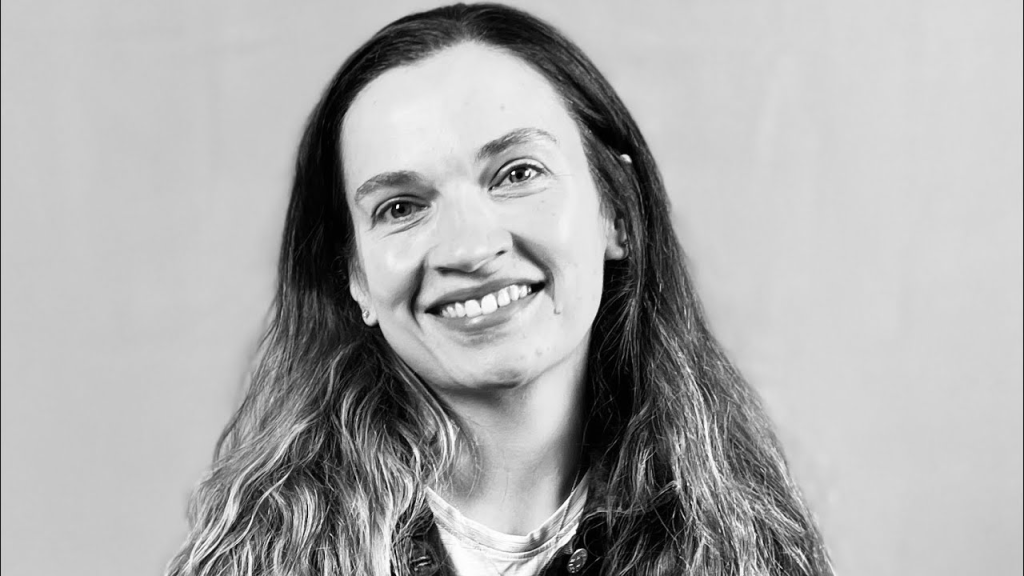
- Root Causes: Simplistically, the root causes of most crimes is not a sociopathic diagnosis, but it is poverty, generational trauma, ptsd, lack of housing, lack of a living wage job, no familial or community support, no access to healthcare, including mental health care and substance abuse.
I’ve been an Assistant Public Defender here in Buncombe County for over 20 years now. Over the years, my steadfast belief that human beings are inherently good still encourages my work. There are crimes that intrinsically one is aware of and are morally unacceptable. Then, there are crimes that can be traced back to the end of the Civil War, when Black Codes created criminal acts to ensnarl the then freed slaves, back into the system to force labor as “punishment.” Droves of crimes were created then, and unfortunately it’s still the case. Our system is trained to arrest and prosecute for so many crimes, some of which folks might not even know to be illegal. Here we are years later, and we still see hundreds of crimes on the books, which still send a skewed amount of individuals to county jails and prisons. The “system” feeds on unpaid labor of prisoners.
It’s hard to discuss the root cause of crime, without looking at Chapter 90 of the NC General Statutes. Drug offenses today act as the Black Codes of today in my opinion.
For years, the government has waged their war on drugs. Yet, we are not winning or protecting our loved ones from overdose deaths and addiction.
Generations of poverty, higher police presence in minority neighborhoods and lack of opportunity to jobs that pay a living wage, amongst other things, such as lack of mental health and substance treatment all contribute to someone committing a crime, especially a drug offense.
Instead of incarceration for drug offenses including mandatory trafficking sentences, I’d look for diversion programs and probationary sentences for defendants who have befallen victim to poverty, lack of fair wage jobs and addiction and mental illness. Incarceration is merely punishment and for too many years, I’ve seen too many young people(heavily young black men with little criminal history) be sent to prison for mandatory minimum drug offenses. Incarceration is not the answer for these young people. I will not commit to giving-up on a young person, because a mandatory minimum prison sentence is exactly that.
Over my 20 years of experience, I’ve tried to see situations with empathy and understanding as to how folks ended up as defendants. I tell folks, life is a lot about luck. My clients were mostly born unlucky into households which were impoverished, which often had an incarcerated parent, were in foster care, dropped out of high school, are unhoused, are addicted, are mentally ill, and the list goes on. Once captured in the system for even a mild low level charge, many will struggle to get out of the system. My goal has always been to help correct whatever brought them into the system, to the best of my ability,, so that they don’t return.
Seeing folks as human beings, is the first step in fairly and justly defending and prosecuting. Focusing on violent offenses and keeping our community safe is a priority. If imprisonment is the only way to keep our community safe, then so be it, but Imprisoning non-violent offenders, to feed the forced labor system will not happen under my watch.
- Prioritization: As a mom, I want my child in North Asheville to feel just as safe as a child growing up and living in our lower income neighborhoods. I will go into the community and work with the community from within, alongside agencies to prevent violence from occurring. Once a shooting or violent act occurs, it is too late. Prosecution cannot bring a mother’s child back and prosecution only takes another child away. We have to work together and assist communities in taking back their neighborhoods. I will prioritize prosecuting any adult providing firearms and enticing our youth. Tracing the path of how young people end up in possession of firearms is fundamental to stopping violence. Folks that endanger our community will not be tolerated and will be tried timely and held accountable.
- Pre-trial practices: Ultimately, it is up to the DA to prosecute a violent offender, such as Ryan Houston. Ryan Houston was left out of custody, but was never on a trial calendar. Instead, they tried a pro se trial, a class 3 misdemeanor trespass trial in Superior Court , just to name one trial I recall going to trial during his time out of custody.
The pretrial agency in Buncombe is a county agency, which is now being sued for failure to properly supervise this very dangerous man. They clearly failed their professional duties, but ultimately in my opinion, the Elected DA failed the community by not holding Ryan Houston accountable by trying his case.
If elected DA, I am a seasoned trial attorney and I do not fear teeing a case up for trial. If a defendant is entitled to a bond, and is in a financial position to post a bond, this makes the person no less dangerous, and my focus would be to set a trial date and pursue justice. Folks who I evaluate to be a danger to the community will simply be tried. Ryan Houston is a prime example of a person who cannot be supervised within the community. I would not delay bringing their case before a jury, because I have the trial experience to do so. I would not delegate my duty, but would lead the office by example. It’s their Constitutional right and would be my burden of proof.
I think the reality is pretrial release as a county agency needs an additional overhaul after December 1st. House Bill 307 has essentially created a situation whereby folks are not eligible for unsecured bonds, and many are too poor to post a secured bond. It has created a presumption, which I believe to be Unconstitutional that certain offenses require a no bond. Thus, very few folks are being released after December 1st, with the enactment of this Republican sponsored legislation. Pretrial is becoming a dinosaur, and will likely need a redesign.
- Overcrowding in jail: After December 1st, with the enactment of House Bill 307, we will need to build a new jail, if a seasoned and experienced attorney is not in charge. We are already at capacity and exceeding. These folks are majority pretrial and innocent until proven guilty. They have Due Process rights as well which must be honored. If elected, I will work with a team of ADAS to evaluate and make offers, set trial dates, and dismiss cases. The cases in the jail need triaged by a seasoned attorney and with 20 years plus of experience in the exclusive practice of criminal law, I know what is a fair and just prosecution and can move quickly to reduce our numbers. I want the jail to be safer for inmates and employees. It cannot be safe, when exceeding capacity. As I mentioned above, mass incarceration is a form of forced labor and a back door way to continue slavery. Prisons are just as overcrowded and from my first hand experience serves to punish not offer services to rehabilitate. I would avoid sending non violent defendants to prison because it has proven to not reduce recidivism. The majority of defendants can be safely supervised within the community if prosecution is the only option. I support diversion, true restorative justice, and treatment courts as options in lieu of prison. I also support flat out dismissal of cases, because not all charged cases need prosecution.
- Misapplications of justice: I do see post-convictions integrity as a role in my DA’s office. To my knowledge, the current DA has no such division, and if he does, in my opinion it is in name only. I say this, because I had a case of a black man who spent 20 plus years in prison after he was tried for rape and convicted. He was 18/19 years old at the time and pled not guilty. He was tried very quickly and the new evidence we had was not presented during his trial. It was evidence of an eerily similar rape which occurred within days of the rape my client was tried for and which happened while my client was already in the county jail charged with the rape that sent him to prison for over 20 years. I had a very strong reason to doubt his guilt and asked for help from the ADA assigned to a sex offender on unlawful premises case that I was appointed on. The ADA showed no interest despite very good reason to question his guilt. It was very disappointing because the DA has so much power to help. I would vow to always listen and help. My duty to pursue justice would be for post conviction as well, and I would create a dedicated unit.
- Navigating federal, state, local conflict: There would be no conflict. I would prosecute Federal agents for assaulting, and God Forbid murdering neighbors. I have zero fear in standing up to do the right thing. Zero! I’ve fought for the little guy vs the government for over 20 years. I do not fear the government!
 Asheville DSA